Health Sport Weight
Sacha Inchi Oil: Plant-Based Omega-3 Benefits for Heart Health and Daily Wellness
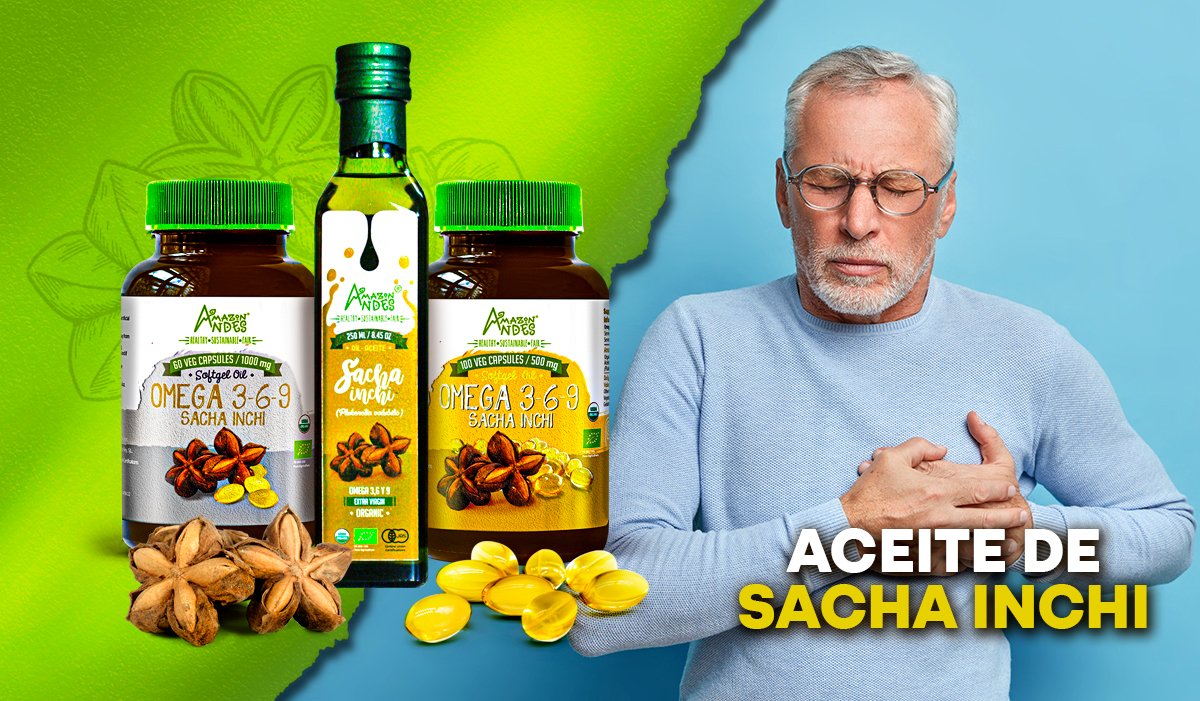
Sacha Inchi oil is one of Peru’s most interesting wellness ingredients for people who want to add more plant-based omega-3s to their daily routine. Traditionally known as the “Inca peanut,” Sacha Inchi comes from the Amazon and is valued for its naturally occurring fatty acids, mild nutty flavor, and connection to Peruvian food heritage.
Its main nutritional value comes from its healthy fat profile. Sacha Inchi oil provides ALA, a plant-based omega-3 fatty acid, along with omega-6 and omega-9 fatty acids. This makes it especially relevant for people building a more heart-conscious diet, reducing highly processed fats, or looking for a plant-forward alternative to fish-based omega sources.
For EnergyGreen, Sacha Inchi also plays an important role inside the cardiovascular wellness cluster. It connects naturally with topics like foods for healthy cholesterol and triglycerides, plant-based omega-3s, better fats, and Peruvian superfoods for everyday nutrition.
What Is Sacha Inchi?
Sacha Inchi, scientifically known as Plukenetia volubilis L., is a plant native to the Peruvian Amazon. Its star-shaped seed pods contain edible seeds that have been traditionally consumed in Amazonian communities and are now used to produce oil, snacks, powders, and softgel capsules.
In Peru, Sacha Inchi grows in Amazonian regions such as San Martín, Loreto, Ucayali, Huánuco, Pasco, Cajamarca, and Junín. Its story is part of a larger Peruvian wellness identity: native ingredients, biodiversity, traditional use, and modern nutrition coming together in one food.
The oil is usually obtained from the seeds and is appreciated for its light texture, delicate nutty flavor, and naturally occurring unsaturated fats. Because these fats are sensitive to heat and oxidation, Sacha Inchi oil is usually best used cold, such as in salads, smoothies, bowls, or as a finishing oil.
Why Sacha Inchi Oil Is Known for Plant-Based Omega-3
The main reason Sacha Inchi oil stands out is its content of alpha-linolenic acid, better known as ALA. ALA is an essential omega-3 fatty acid, which means the body cannot produce it on its own and must obtain it from food.
It is important to understand the difference between plant-based and marine omega-3s. Plant foods such as Sacha Inchi, flaxseed, chia, and walnuts provide ALA. Fatty fish and fish oil provide EPA and DHA, the long-chain omega-3s most commonly discussed in clinical cardiovascular research.
Sacha Inchi should not be described as identical to fish oil. A better way to understand it is as a plant-based omega-3 food that helps improve the quality of fats in your diet, especially when used instead of highly processed oils or saturated fat-heavy options.
Sacha Inchi Oil Benefits for a Heart-Conscious Diet
The benefits of Sacha Inchi oil are best understood as part of a broader eating pattern. No single oil can “clean” the arteries, cure cholesterol problems, or replace medical treatment. But better fat choices can support a healthier diet, especially when combined with fiber-rich foods, less added sugar, regular movement, and professional guidance when needed.
1. Helps upgrade the quality of fats in your diet
A heart-conscious diet is not about removing all fats. It is about choosing better fats more often. Sacha Inchi oil provides unsaturated fats, including omega-3 ALA, which can help replace less favorable fat sources in everyday meals.
This matters because many modern diets include too many fried foods, ultra-processed snacks, refined oils, and saturated fat-heavy meals. Using a cold-pressed plant oil like Sacha Inchi in salads, bowls, or smoothies can be a simple way to move toward a more balanced fat profile.
2. Supports a plant-forward omega routine
Sacha Inchi oil is especially useful for people who want more plant-based omega-3 sources in their routine. It fits well into vegetarian, plant-forward, or flexitarian diets where omega-rich seeds, nuts, and oils play an important role.
For people who do not enjoy the taste of fish oil or want a food-based option from plants, Sacha Inchi can be a practical addition. It is not a direct replacement for EPA and DHA, but it can still contribute valuable ALA and unsaturated fats to the diet.
3. Fits naturally into a cardiovascular wellness lifestyle
Sacha Inchi oil connects well with a lifestyle focused on cardiovascular wellness because it belongs to the group of foods that help improve the overall quality of the diet. It pairs well with vegetables, legumes, oats, quinoa, cacao, açaí, nuts, seeds, and other foods often included in heart-conscious eating patterns.
The strongest approach is not to rely on one ingredient alone. A better routine combines soluble fiber, better fats, fewer refined carbohydrates, less added sugar, and more minimally processed foods.
4. Provides a Peruvian superfood alternative to common omega sources
For a wellness blog with a Peruvian identity, Sacha Inchi is more than just another oil. It represents Amazonian biodiversity, traditional food culture, and a natural approach to everyday nutrition.
That makes it especially interesting for people who want their wellness routine to feel less synthetic and more connected to real foods. Instead of presenting heart health only through capsules or isolated nutrients, Sacha Inchi allows the conversation to start with food, origin, and daily habits.
Sacha Inchi Oil and Cholesterol: What Is the Realistic Angle?
Sacha Inchi oil is often discussed in relation to cholesterol because of its unsaturated fat profile. However, the most responsible way to talk about this topic is through dietary pattern, not miracle claims.
Replacing less healthy fats with unsaturated fats can be part of a cholesterol-conscious lifestyle. Sacha Inchi oil can support that shift by offering a plant-based source of omega-3 ALA and other unsaturated fatty acids.
The bigger picture matters more than one oil. For healthy cholesterol and triglyceride support, combine better fats with fiber-rich foods such as oats, beans, lentils, fruits, vegetables, chia, and whole grains. Reducing added sugars, refined carbohydrates, and excess alcohol is especially important when triglycerides are a concern.
Sacha Inchi Oil vs Fish Oil: Are They the Same?
Sacha Inchi oil and fish oil are both discussed in omega-3 conversations, but they are not the same.
- Sacha Inchi oil provides ALA, a plant-based omega-3 fatty acid.
- Fish oil provides EPA and DHA, long-chain omega-3 fatty acids.
- ALA can be converted into EPA and DHA, but that conversion is limited.
- Sacha Inchi is plant-based, while fish oil is marine-derived.
This does not make one automatically “better” for everyone. Fish oil may be more appropriate when a person specifically needs EPA and DHA under medical guidance. Sacha Inchi oil may be more attractive for people who want a plant-based omega source, prefer food-based wellness, or want to avoid a fishy aftertaste.
How to Use Sacha Inchi Oil in Your Daily Routine
Sacha Inchi oil is easy to use, but it should be treated like a delicate oil. Because of its unsaturated fat profile, it is better used cold rather than for frying or high-heat cooking.
Simple ways to use it include:
- Drizzle it over salads or grain bowls.
- Add a small amount to smoothies.
- Use it as a finishing oil over cooked vegetables.
- Mix it into dips, sauces, or dressings.
- Pair it with fiber-rich meals such as oats, quinoa, beans, or vegetables.
A small daily amount is usually enough for a wellness routine. More oil does not automatically mean more benefit. What matters most is consistency, food quality, and how the rest of the diet is built.
Sacha Inchi Softgels vs Oil: Which Format Makes More Sense?
Sacha Inchi can be consumed as liquid oil or in softgel capsules. The best format depends on your routine.
Liquid oil
Liquid Sacha Inchi oil is ideal for people who enjoy using real foods in meals. It works well in salads, smoothies, bowls, and cold preparations. It also makes the wellness routine feel more culinary and less like taking another supplement.
Softgel capsules
Softgels are practical for people who want convenience, portability, and a consistent serving size. They may be easier for those who do not enjoy the taste or texture of oils.
Neither format is automatically better. The better choice is the one you can use consistently and responsibly.
Possible Side Effects and Precautions
Sacha Inchi oil is a food oil, but that does not mean every person should use it in unlimited amounts. Like any concentrated fat source, it adds calories and may cause digestive discomfort if taken in excess.
Possible concerns include:
- Digestive discomfort, especially when taking too much oil at once.
- Calorie load, because oils are energy-dense even when they are healthy fats.
- Allergy sensitivity, especially in people sensitive to seeds or nuts.
- Medication considerations, especially for people taking blood thinners or managing cardiovascular conditions.
- Pregnancy and breastfeeding caution, because individualized guidance is always better during these stages.
People with medical conditions, those taking medication, pregnant or breastfeeding women, and anyone managing cholesterol, triglycerides, blood pressure, diabetes, or cardiovascular risk should speak with a healthcare professional before making major changes to their supplement or oil intake.
How Sacha Inchi Fits Into a Peruvian Wellness Lifestyle
EnergyGreen’s perspective is not about quick fixes. It is about building a healthier lifestyle with real foods, natural ingredients, and practical habits. Sacha Inchi fits this philosophy because it is both traditional and modern: an Amazonian seed with a nutrient profile that makes sense for today’s wellness routines.
It works especially well when combined with other heart-conscious foods, such as oats, legumes, cacao, açaí, chia, flaxseed, fruits, vegetables, and whole grains. Together, these foods help build a routine that supports better nutrition without making wellness feel complicated.
Final Thoughts
Sacha Inchi oil is one of Peru’s most valuable natural ingredients for people interested in plant-based omega-3s and heart-conscious nutrition. Its main strength is not that it acts like a medicine, but that it helps improve the quality of fats in everyday meals.
Used wisely, Sacha Inchi can be part of a routine focused on better fats, more fiber, fewer ultra-processed foods, and a more natural approach to cardiovascular wellness. That is where this Peruvian superfood becomes truly useful: not as a miracle solution, but as a practical tool for eating better every day.
Frequently Asked Questions
What is Sacha Inchi oil good for?
Sacha Inchi oil is mainly valued as a plant-based source of omega-3 ALA and other unsaturated fats. It can be used as part of a heart-conscious diet focused on better fat quality, whole foods, and daily wellness.
Is Sacha Inchi oil good for cholesterol?
Sacha Inchi oil can fit into a cholesterol-conscious eating pattern because it provides unsaturated fats, including plant-based omega-3 ALA. It should be understood as part of a broader diet that includes soluble fiber, fewer refined carbohydrates, less added sugar, and guidance from a healthcare professional when needed.
Does Sacha Inchi oil have omega-3?
Yes. Sacha Inchi oil provides ALA, a plant-based omega-3 fatty acid. ALA is different from EPA and DHA, the omega-3s found mainly in fish and fish oil. The body can convert some ALA into EPA and DHA, but the conversion is limited.
Is Sacha Inchi oil better than fish oil?
Sacha Inchi oil and fish oil are different. Fish oil provides EPA and DHA, while Sacha Inchi oil provides ALA. Sacha Inchi may be a good option for people who want plant-based omega support, but it should not be described as identical to fish oil.
How do you take Sacha Inchi oil?
Sacha Inchi oil is best used cold. You can add it to salads, smoothies, grain bowls, vegetables, dips, or dressings. It is not ideal for frying or high-heat cooking because its unsaturated fats are delicate.
Are there side effects of Sacha Inchi oil?
Some people may experience digestive discomfort if they take too much oil at once. People with seed or nut sensitivities, those taking medications such as blood thinners, pregnant or breastfeeding women, and anyone managing a medical condition should ask a healthcare professional before using it regularly.